March 22, 2026 | 01:31 pm
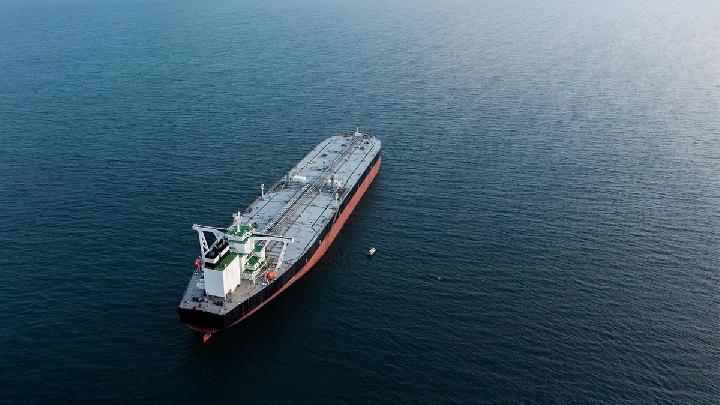
TEMPO.CO, Jakarta - The Indonesia Eximbank Institute assesses that the Middle East region plays a strategic role in the global energy system. This is because the region contributes more than 30 percent of the world's oil production, while about 20-30 percent of global oil trade passes through the Strait of Hormuz.
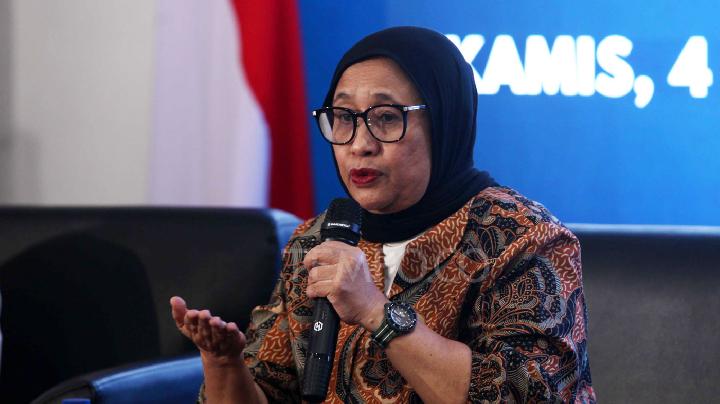
Rini Satriani, the Head of Indonesia Eximbank Institute, stated that disruptions in this region can quickly affect international energy prices and increase the logistics costs of global trade.
"Although Indonesia's oil imports do not directly come from the Middle East, its impact can still be felt through regional trade routes," she said in an official statement quoted on Saturday, March 21, 2026.
She explained that around 75 percent of Indonesia's oil imports come from Singapore and Malaysia, which are the centers for oil trade and processing in Asia. These two countries also import crude oil from the Middle East. Thus, supply disruptions in this region can drive up energy prices faced by Indonesia.
Rini mentioned that the Indonesia Eximbank Institute also observes the impact of changes in global energy distribution on major oil-importing countries in the Middle East, such as China, Japan, India, and South Korea. These countries are the main energy consumers from the Gulf region and an important export market for Indonesia. Increased energy costs have the potential to suppress industrial activities in these countries and affect the demand for Indonesian export products.
If geopolitical tensions persist for a relatively long period, the average price of world oil in 2026 is estimated to range from US$85 to US$120 per barrel, higher than the early-year average of around US$60 per barrel.
She claims that the increase in energy prices and logistics costs could raise production costs in various global industrial sectors. This pressure will be more pronounced for Indonesian exporters in sectors that depend heavily on imported raw materials, such as manufacturing, petrochemicals, and basic metals. Increased input costs can erode production margins in such conditions, especially if global demand slows down at the same time.
Furthermore, volatility in global financial markets can also exert pressure on the exchange rates of emerging market countries, including Indonesia. Weakening exchange rates can increase the cost of importing raw materials for domestic industries, putting additional cost pressure on export-oriented sectors.
Amidst various risks, the prices of some Indonesian export commodities have risen alongside the increase in global energy prices. Coal contributes around 8-9 percent to the national total exports and has the potential to increase in price.
Meanwhile, the price of crude palm oil (CPO) has shown a relatively strong trend, as the global demand for agricultural commodities remains solid. Amidst the previous interest rate declines, several commodities made from local raw materials have also helped reduce production costs, creating opportunities to increase the competitiveness of Indonesian export products in the global market.
According to Rini, an increase in energy and agricultural commodity prices could support Indonesia's export performance in the short term. However, volatility in metal commodities and industrial sectors still needs to be anticipated, especially if a more profound global economic slowdown occurs.
Taking into account commodity price dynamics and global trade conditions, Indonesia's exports are expected to grow by 4-5 percent in 2026, with the potential to increase to 5-6 percent in 2027, provided that global demand gradually recovers and geopolitical tensions ease.
Read: Trump Warns of Power Plant Attacks if Iran Fails to Reopen Hormuz in 48 Hours
Click here to get the latest news updates from Tempo on Google News
Trump Warns of Power Plant Attacks if Iran Fails to Reopen Hormuz in 48 Hours
4 jam lalu
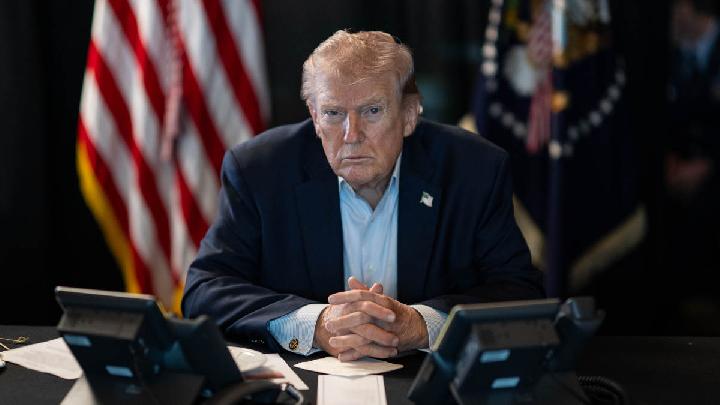
U.S. President Donald Trump has given Iran 48 hours to reopen the Strait of Hormuz, threatening an attack on power plants.
Trump Calls NATO Allies 'Cowards' for Not Helping Against Iran
1 hari lalu
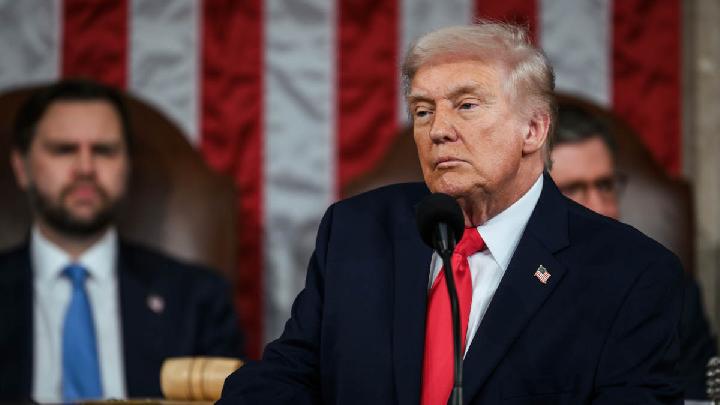
Trump calls NATO allies "cowards" for not helping secure the Strait of Hormuz.
Trump Weighs 'Winding Down' Middle East Operation
1 hari lalu
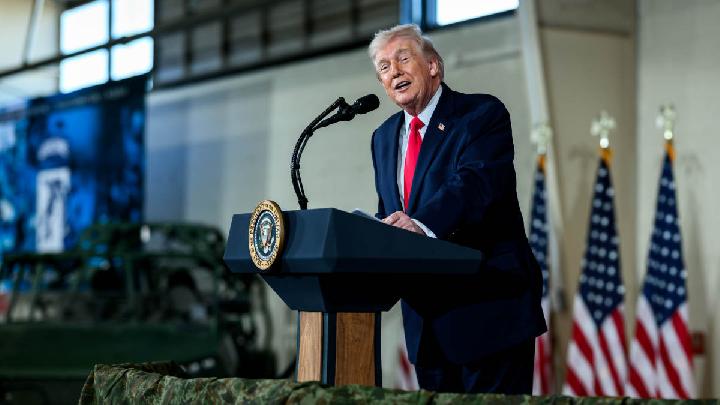
US President Donald Trump has said his administration is considering "winding down our great Military efforts in the Middle East."
Trump Urges Netanyahu to Halt Attacks on Iran's Energy Hubs
1 hari lalu
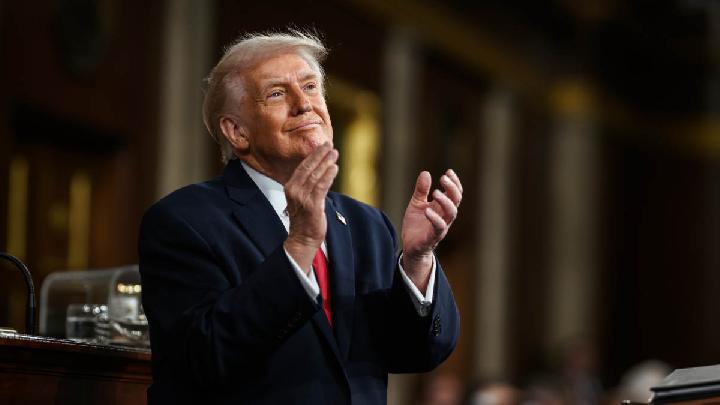
President Donald Trump reveals he asked PM Netanyahu to stop targeting Iranian oil and gas facilities to avoid further regional escalation.
Iran Weighs Levying Transit Fees on Ships in the Strait of Hormuz
1 hari lalu
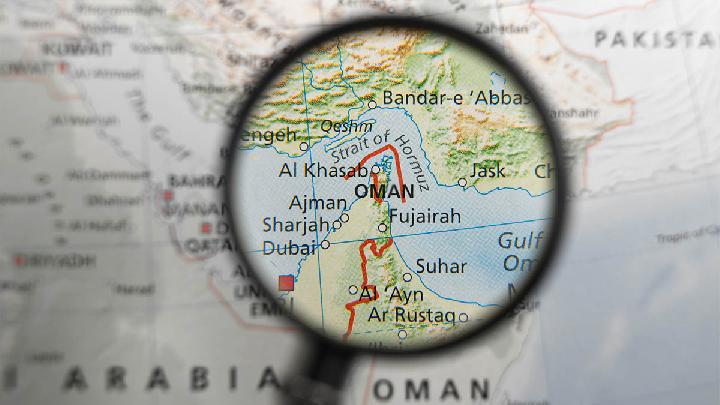
Parliament is reviewing a draft bill requiring countries using the strait for shipping, energy and food supplies to pay tolls and taxes to Iran.
Netanyahu Seeks to Move Oil, Gas Through Israel After Iran War
2 hari lalu

Netanyahu denies that Israel "dragged" the US into the war.
Sri Lanka Starts 4-Day Work Week to Conserve Fuel
3 hari lalu

The Sri Lankan government has implemented a four-day work week and a National Fuel Card system to conserve oil reserves.
Japan Urges Iran to Cease Threats in Strait of Hormuz
4 hari lalu
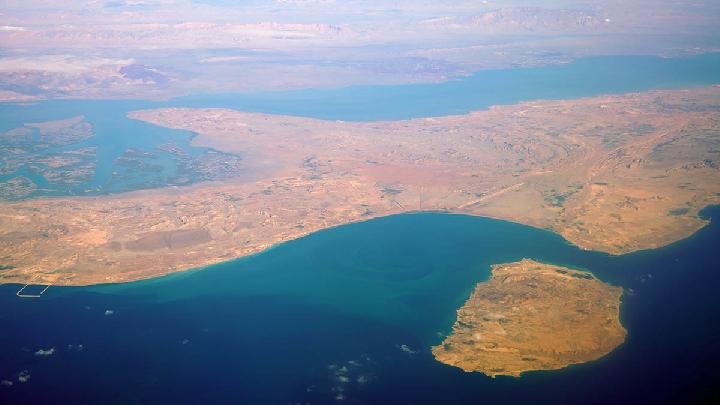
Japanese Foreign Minister Motegi urges Iran to stop security threats in the Strait of Hormuz and release detained Japanese citizens.
Trump Says US Doesn't Need Assistance to Reopen Strait of Hormuz
5 hari lalu
President Trump asserted that the U.S. does not require assistance from other countries to reopen the Strait of Hormuz for international shipping.
NATO Allies Reject Trump Call to Reopen Strait of Hormuz
5 hari lalu
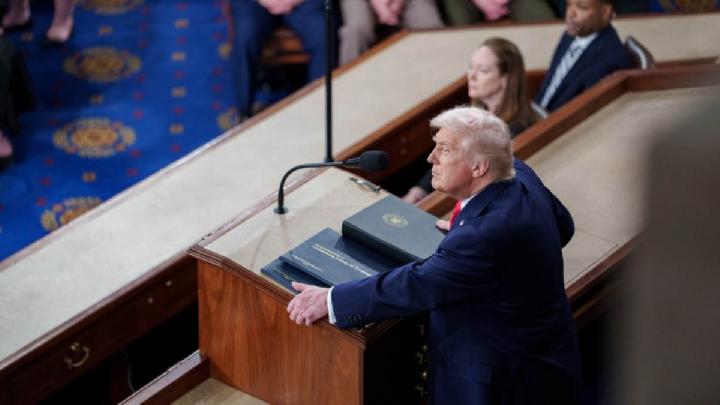
NATO allies & other Western nations rejected US President Donald Trump's demand that alliance members help reopen the Strait of Hormuz.





















:strip_icc():format(jpeg)/kly-media-production/medias/5502852/original/043074800_1771048777-4.jpg)



:strip_icc():format(jpeg)/kly-media-production/medias/5263253/original/068977400_1750812433-Cek_Fakta_Tidak_Benar_Ini_Link_Pendaftaran__10_.jpg)