April 23, 2026 | 01:08 pm
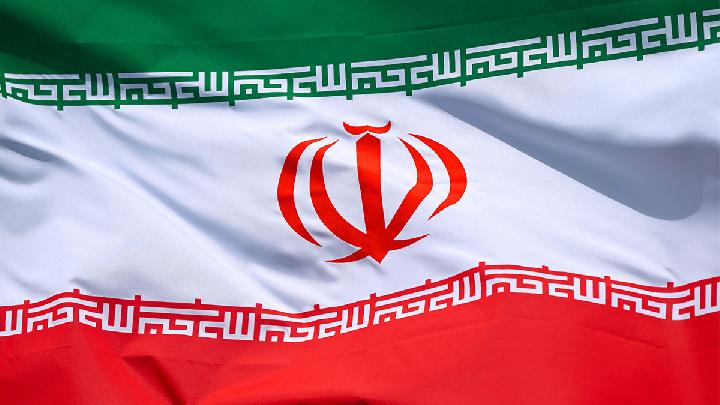
TEMPO.CO, Jakarta - "Until further notice, there will be no in-person classes at schools nationwide," Iran's Ministry of Education announced last week. Starting April 21, classes will be held online via a dedicated platform and through the state-run television program "Iran TV School." This change affects all types of schools and all grades in the country. It will remain in effect until further notice.
Iran is currently in limbo ahead of a possible resumption of airstrikes. After a fragile ceasefire halted six weeks of attacks, the situation remains tense.
According to the head of the Organization for School Renovation, Development, and Equipment, more than 640 educational buildings in 17 provinces have been damaged during attacks by the US and Israel. About 250 of them are severely damaged and need to be completely renovated; at least 15 schools are considered beyond repair and will have to be rebuilt.
Switching to National Intranet
NetBlocks, a global internet monitor based in London, reports the longest nationwide internet outage on record was documented in the run-up to April 21. The country remains largely disconnected from the global internet.
Much of internet traffic now runs through a national intranet, which is heavily restricted and only allows access to domestic websites. Even before the blackout, Iran's internet access was tightly censored. Many social media platforms were blocked, prompting many users to rely on VPN software to circumvent the restrictions.
"The internet blockade in Iran will most likely never be fully lifted," says cybersecurity expert Amir Rashidi, director of the Miaan Group, a US-based organization that advocates for human rights, digital freedom, and social justice in Iran and the Middle East and North Africa (MENA) region.
"The idea the Iranian authorities have been working on for a long time is a kind of intranet that is completely separate from the global internet. It’s about comprehensive state control in the digital space," he adds.
In this way, the authorities can prevent people from communicating with one another, organizing protests, or sharing images of demonstrations. At the same time, certain digital services can still be used via the intranet, including food-delivery apps or ride-sharing services.
Extra Burden for Schoolchildren in Disadvantaged Regions
Switching to virtual lessons via the intranet, however, poses a big challenge, especially for schoolchildren from disadvantaged families and poorer regions of the country.
"We already implemented virtual teaching to some extent during the COVID-19 pandemic using apps and platforms that operate over the national internet," explains Rashidi. "The problem is that in some regions, such as Sistan and Baluchistan, there are hardly any internet connections because they lack the necessary infrastructure. Most people in Iran access the internet via their cell phones. These regions, however, have fewer smartphones and even fewer devices that schoolchildren need, such as laptops."
During the COVID-19 pandemic, organizations inside Iran and abroad organized fundraising campaigns to collect money or provide second-hand devices to those in need.
But rising unemployment, economic hardship and inflation since the outbreak of the war have led to a significant decline in local support, according to activists.
Due to the lack of internet access in parts of the country, some classes are to be moved to the state-run television program "Iran TV School." According to Iran's semiofficial Fars News Agency, for example, mathematics lessons for seventh, eighth, and ninth graders will be broadcast on television at 2:00 p.m. This will be followed by physics for twelfth graders at 6:00 p.m.
In parliament, discussions are underway on how to rapidly expand the national information network, increasing bandwidth for educational institutions and developing standardized learning content.
Alireza Manadi Sefidan, chairman of the Parliamentary Committee on Education and Research, has called for extra investments to improve the conditions for nationwide distance learning in both schools and universities.
The national intranet, meanwhile, is increasingly the infrastructural backbone of public life. At the same time, with internet access restricted, large segments of the population find themselves cut off from the outside world.
Read: US Military Intercepts at Least Three Iranian Oil Tankers in Asian Waters
Click here to get the latest news updates from Tempo on Google News
US Military Intercepts at Least Three Iranian Oil Tankers in Asian Waters
3 jam lalu
The US military has reportedly intercepted at least three Iranian oil tankers in Asian waters.
Iran War: Jet Fuel Crisis Deepens as Lufthansa Cuts Flights
19 jam lalu

Jet fuel shortages from the Strait of Hormuz closure are hitting airlines, with Lufthansa canceling 20,000 flights and more disruptions expected.
Will Iran War Reshape Global Trade More than COVID?
20 jam lalu
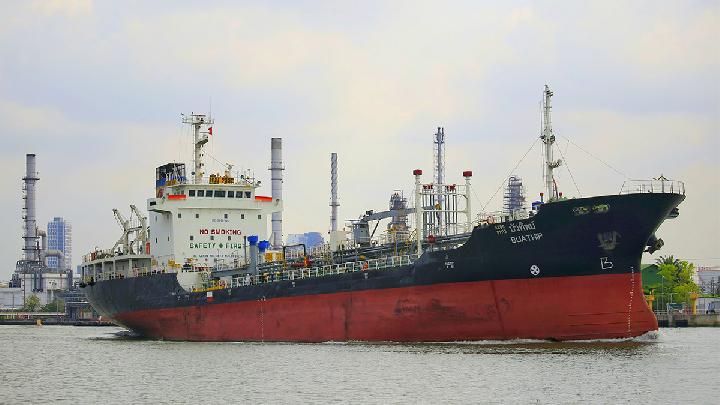
As the Iran war drags on, experts say it may reshape supply chains, with firms reworking strategies to hedge risks.
Trump Extends Ceasefire With Iran, Delays Military Attack
1 hari lalu
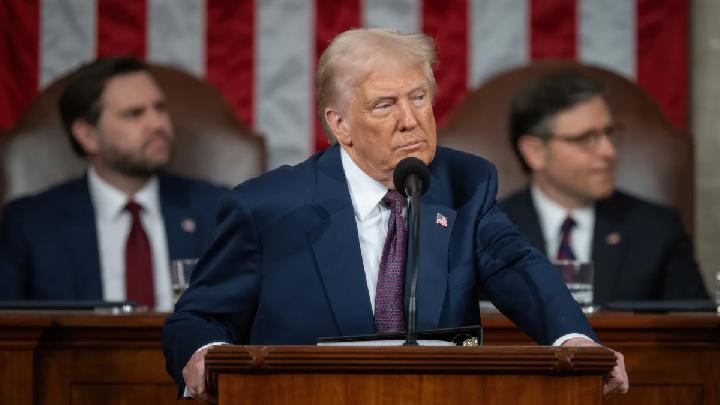
President Trump says US attack will be postponed until Iranian leaders 'present a comprehensive proposal' to end the war.
Amnesty International Paints a Grim Picture for Human Rights
2 hari lalu
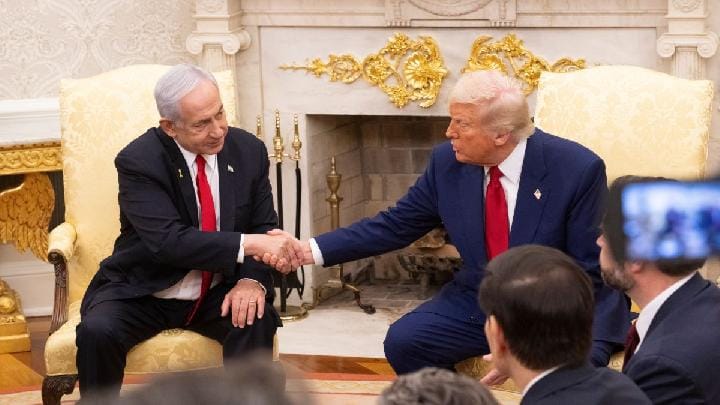
In its report, the human rights watchdog Amnesty International calls out the "predatory behavior of the powerful" and calls for action.
Iran Rebuffs EU Demands over Strait of Hormuz Blockade
2 hari lalu
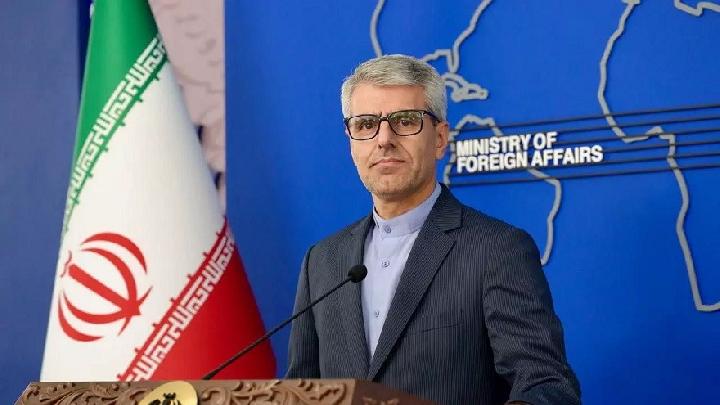
The Iranian government has mocked a call by senior EU diplomat Kaja Kallas to reopen the Strait of Hormuz.
US Sends Delegation to Pakistan for Second Round of Iran Talks
2 hari lalu

Following the announcement, Iran said it has not decided to send a delegation to Pakistan while a U.S. naval blockade on its ports remains in place.
Iran Rejects Second Round of Talks with the United States
2 hari lalu
Iran rejects the second round of negotiations with the United States due to unrealistic demands from Washington and continued naval blockade hampering the negotiation process.
Mines in the Strait of Hormuz: How Dangerous Are They?
2 hari lalu
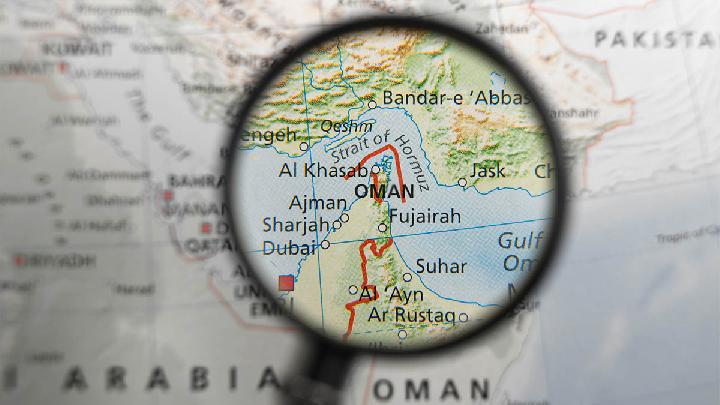
Iran says it has placed mines in the Strait of Hormuz to discourage independent traffic. How dangerous are naval mines?
Fact Check: Video of Trump Seeking Peace with Iran is Fake
3 hari lalu

Fact Check - A video claiming Trump is pleading for peace after Iran destroyed Haifa and Tel Aviv is a misleading mix of old and unrelated footage.



















:strip_icc():format(jpeg)/kly-media-production/medias/5502852/original/043074800_1771048777-4.jpg)


:strip_icc():format(jpeg)/kly-media-production/medias/5263253/original/068977400_1750812433-Cek_Fakta_Tidak_Benar_Ini_Link_Pendaftaran__10_.jpg)